Mixed-UseCommercial & OfficeStrategy & Content
KT&G 역세권 주상복합
KT&G Transit-Oriented Mixed-Use Development
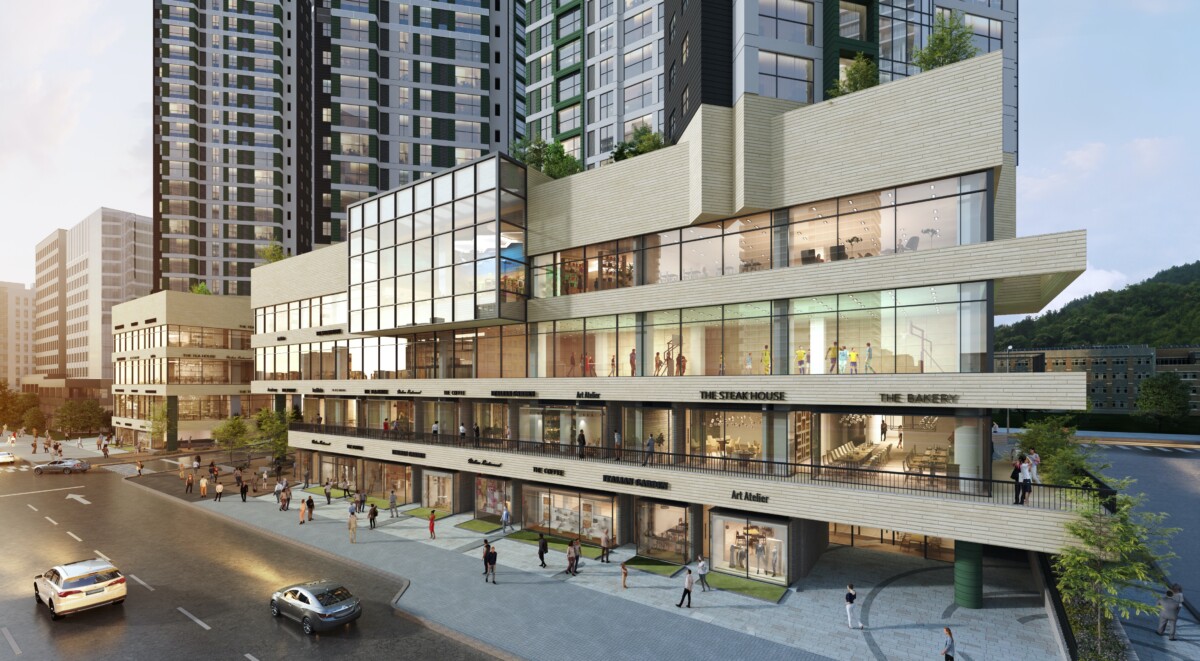
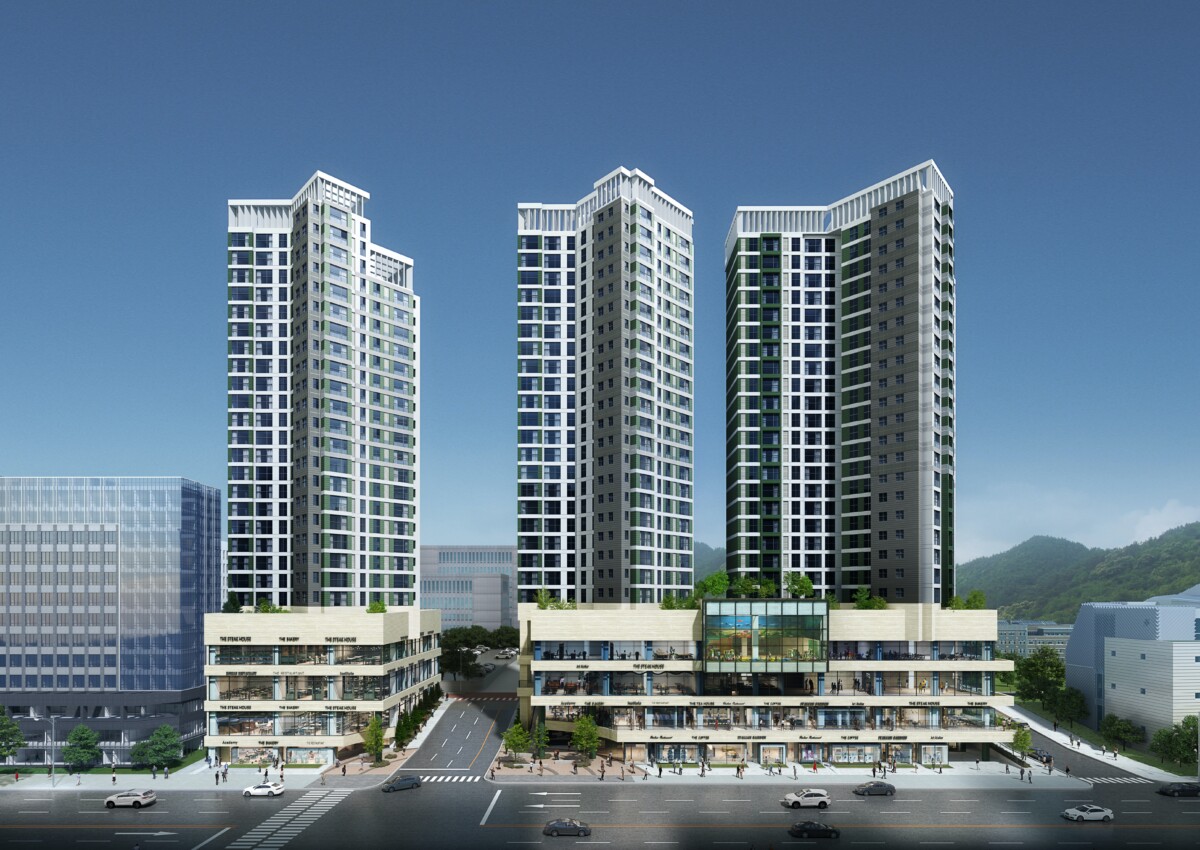
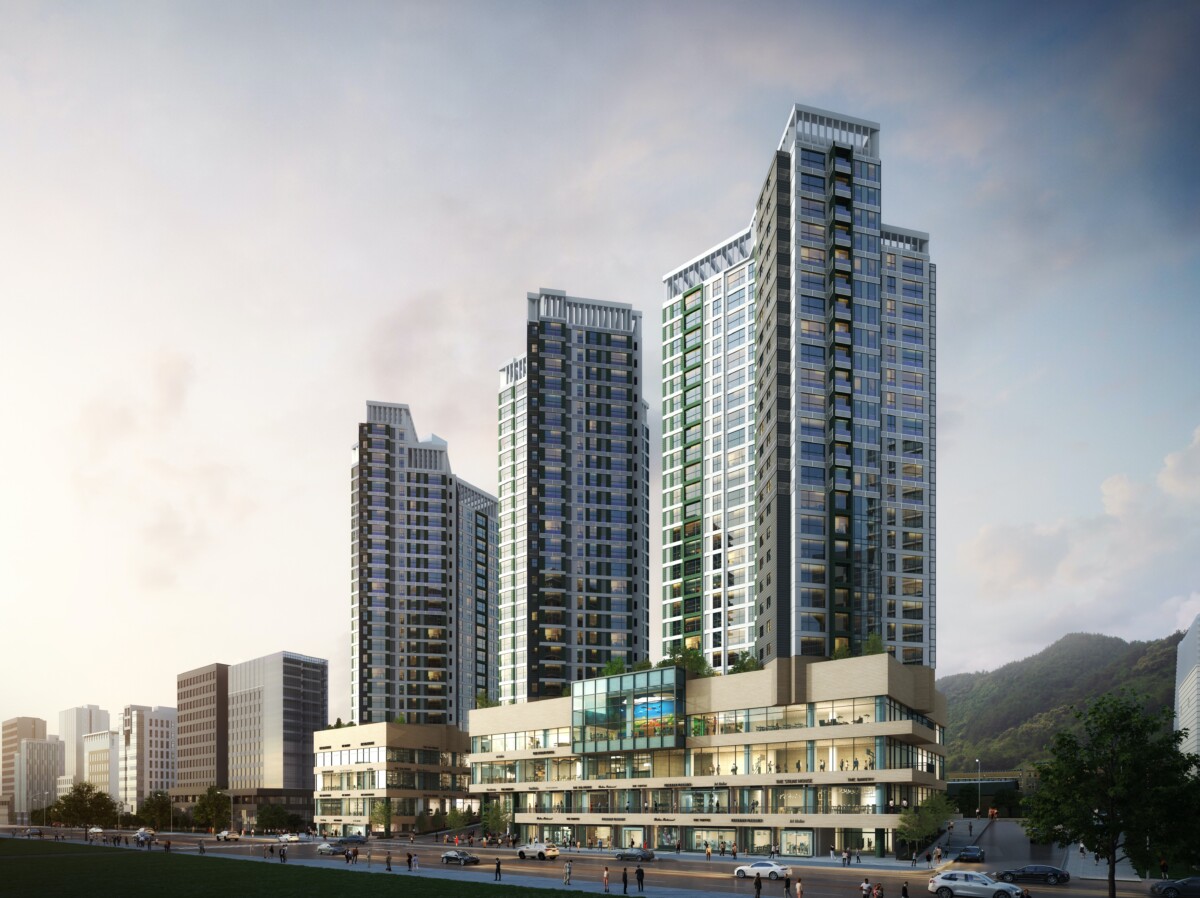
서울은 오랫동안 역을 중심으로 성장해 왔다. 하지만 역세권은 오랫동안 '교통의 중심'일 뿐, 도시의 중심은 아니었다. KT&G 역세권 주상복합은 서울시 미아3구역 역세권 개발사업의 일환으로 추진된 프로젝트다. 서울시가 새로운 역세권 개발 정책을 본격적으로 시작하던 시기에 계획되었으며, 국내 최초의 성공적인 역세권 복합개발 사례 가운데 하나로 평가받고 있다.
와이그룹은 프로젝트의 초기 구상 단계부터 참여하여 마스터플랜과 건축계획, 입면 디자인까지 개발의 전체 방향을 함께 설계하였다. 계획안은 서울시 건축심의를 단 한 차례 만에 통과하며 계획의 완성도와 실현 가능성을 인정받았다.
우리가 가장 먼저 고민한 것은 건축이 아니었다. 역은 어떻게 도시가 될 수 있는가. 그 질문에서 프로젝트는 시작되었다. 역세권을 단순히 용적률을 높이는 개발 대상이 아니라 사람들이 모이고 머물며 생활이 이루어지는 새로운 도시의 중심으로 바라보았다.
주거와 상업, 업무와 공공 기능을 하나의 흐름으로 연결하고 보행의 리듬과 열린 공간의 관계를 함께 계획하였다. 건물보다 사람의 움직임을 먼저 생각했고 공간보다 도시의 질서를 먼저 고민했다. 결국 좋은 역세권은 높은 건물이 만드는 것이 아니라 사람들이 자연스럽게 걷고 머물며 다시 찾게 되는 도시 환경이 만든다고 믿었다.
돌아보면 이 프로젝트는 하나의 건축을 설계한 작업이라기보다 서울의 역세권이 앞으로 어떤 모습으로 발전해야 하는지를 제안한 프로젝트에 가까웠다. 지금도 서울 곳곳에서 새로운 역세권 개발이 이어지고 있다. 그 출발점 가운데 하나에 이 프로젝트가 있었다는 사실은 건축가에게도 의미 있는 기억으로 남아 있다.
The KT&G Transit-Oriented Mixed-Use Development was planned as part of the Mia District 3 Station Area Redevelopment Project in Seoul. It is widely recognized as one of Korea's first successful transit-oriented mixed-use developments and became an important reference point in the early implementation of Seoul's station-area development policy.
Y GROUP joined the project from its earliest stage, leading the master planning, architectural design, and façade development. More importantly, the project began with a simple question: What should a station area become beyond transportation? Our answer was clear. A station should not merely move people. It should become a place where people choose to stay. Rather than treating the site as a collection of buildings, the project was conceived as a new piece of the city. Housing, retail, offices, and public space were carefully woven together to create an urban environment where movement and everyday life naturally intersect.
Pedestrian streets became the primary organizing element of the master plan. Open spaces connected the station with the surrounding neighborhood, while commercial and residential programs were arranged to reinforce activity throughout the day rather than concentrating it at commuting hours.
The proposal successfully passed the Seoul Metropolitan Government's architectural review in a single session, reflecting both the clarity of the planning strategy and the feasibility of the overall development concept.
More importantly, the project demonstrated that transit-oriented development is not simply about increasing density around a station. It is about creating a new urban structure in which transportation, commerce, housing, and public life operate as a single system. Looking back, this project was less about designing a building than about proposing a new model for how Seoul could grow around its transit network.