Commercial & Office
청담 100-6
Cheongdam 100-6
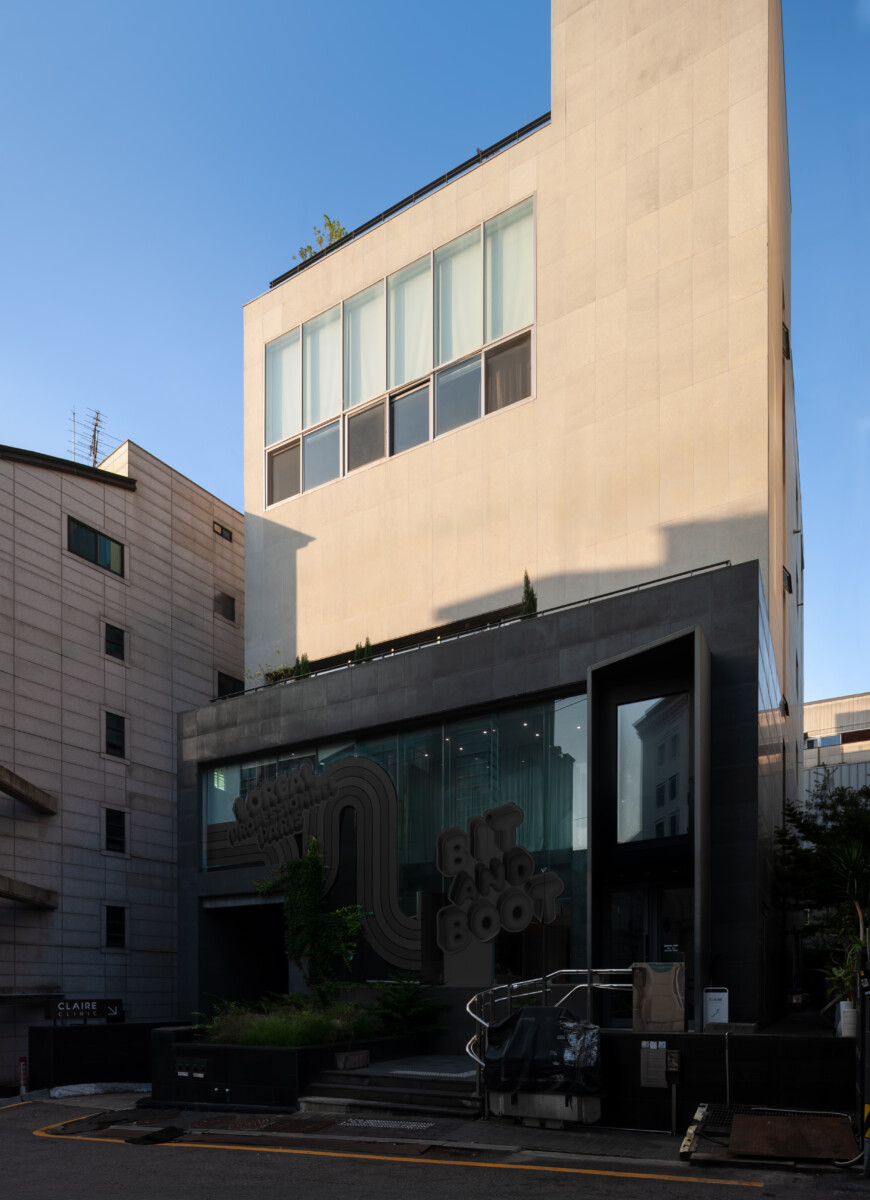
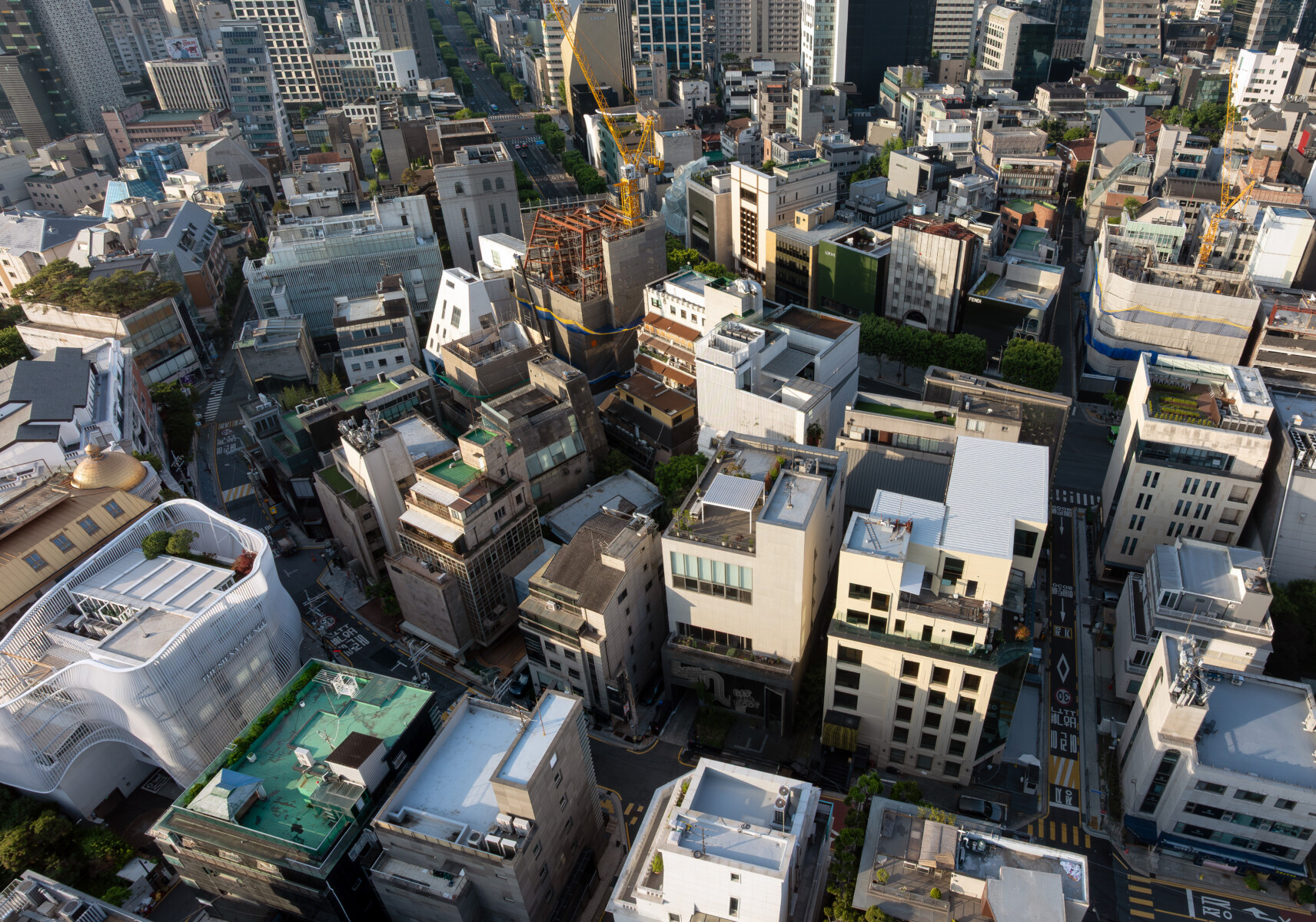
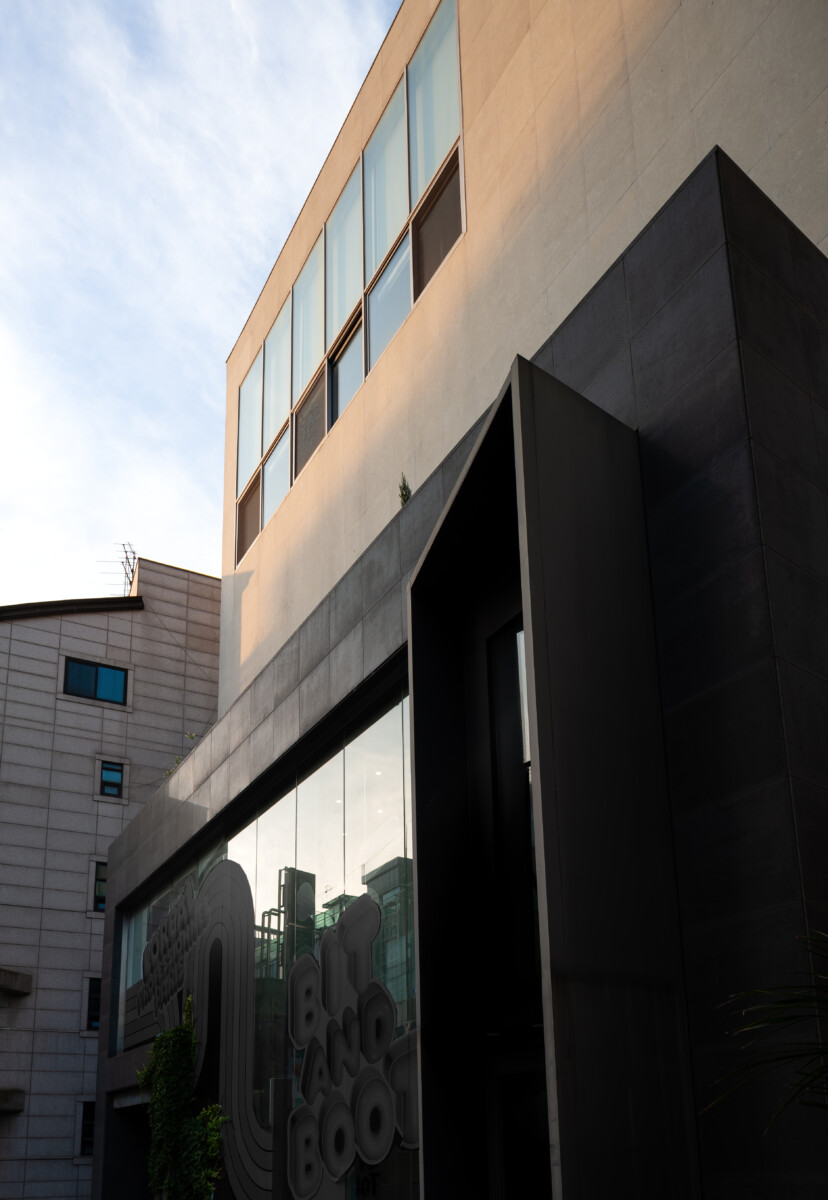
건축은 준공하는 순간 완성되는 것이 아니라, 시간이 지나면서 비로소 평가받기 시작한다. 청담동 100-6 빌딩은 그 사실을 자주 떠올리게 하는 프로젝트다. 준공한 지 어느덧 20년이 넘었다. 그동안 임차인은 여러 번 바뀌었고 저층부는 새로운 브랜드와 프로그램에 맞추어 여러 차례 리모델링을 거쳤다. 외관 역시 조금씩 달라졌다. 하지만 건물의 뼈대와 공간의 질서는 처음 모습 그대로 남아 있다.
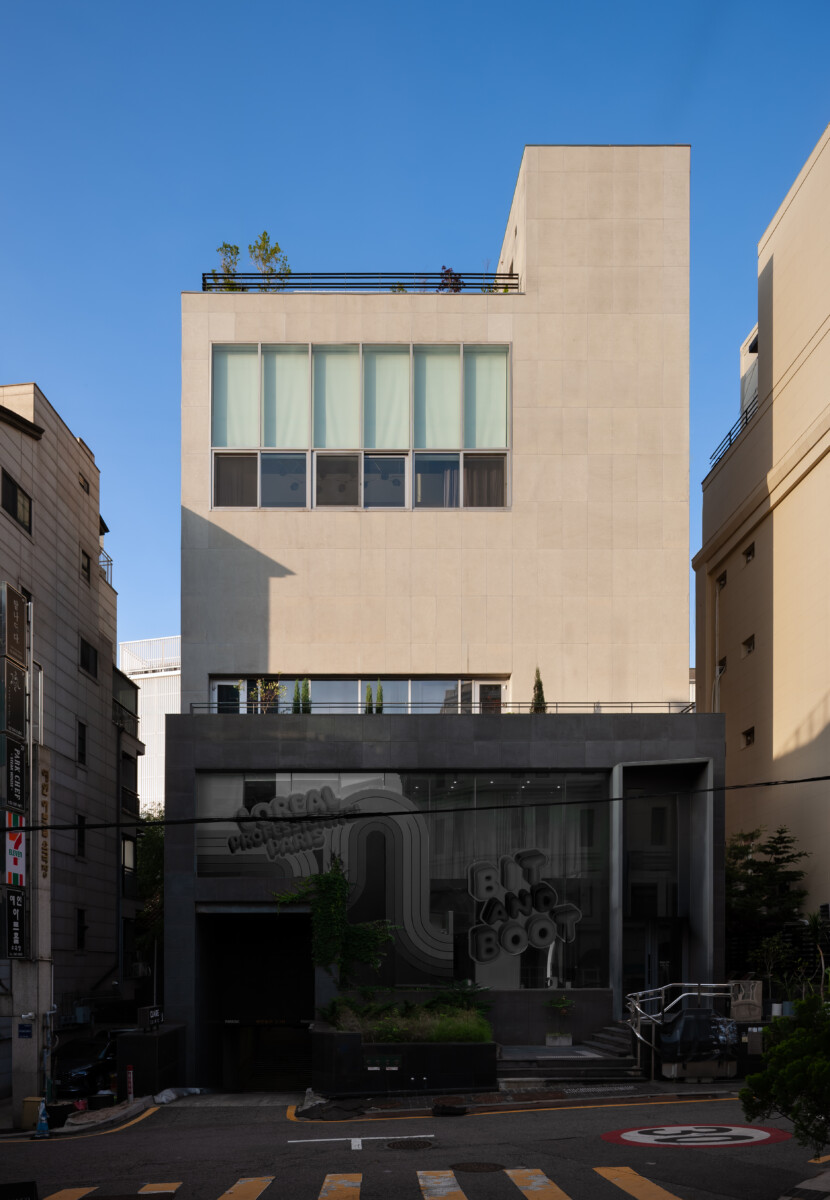
설계 당시 가장 중요하게 생각했던 것은 도시를 바라보는 두 개의 표정이었다. 도로를 향한 입면은 벽의 비율을 높여 단단한 도시적 인상을 만들었다. 반대로 후면은 열린 공간으로 계획해 빛과 시선이 깊숙이 스며들도록 했다. 하나의 건물 안에서 서로 다른 두 성격이 자연스럽게 공존하기를 바랐다.
준공 초기에는 광고회사가 상부 오피스를 사용했다. 열린 사무공간은 창의적인 조직 문화와 잘 어울렸고 건축은 그들의 일하는 방식을 자연스럽게 담아냈다. 시간이 흐르면 건물은 변한다. 임차인이 바뀌고, 프로그램이 바뀌고, 도시도 함께 변한다. 하지만 좋은 입지와 명확한 공간 구조는 쉽게 낡지 않는다. 그래서 건축은 유행보다 질서를 오래 고민해야 한다고 믿는다.
가끔 청담동을 지나다 이 건물 앞에 서게 된다. 예전과 많이 달라졌지만, 처음 설계할 때 고민했던 흔적들은 아직도 곳곳에 남아 있다. 그럴 때면 무심코 휴대폰을 꺼내 사진을 한 장 남긴다. 건축가에게는 유난히 마음이 오래 머무는 건축이 있다. 시간이 지나도 문득 안부가 궁금한 건축. 청담 100-6은 내게 그런 건축이다.
Architecture is rarely judged on the day it is completed. Its true value reveals itself over time. Cheongdam 100-6 is one of the projects that continues to remind me of this. More than twenty years have passed since its completion. During that time, tenants have changed, the lower floors have been renovated several times, and parts of the exterior have gradually evolved. Yet the essential structure and spatial order remain much as they were on the day the building was first conceived.
The design began with two different expressions toward the city. The street façade was composed with a higher proportion of solid surfaces, giving the building a calm and confident urban presence. The opposite side was designed to be more open, allowing light, views, and daily life to extend deep into the interior. The intention was to let two contrasting architectural characters coexist within a single building.
Soon after completion, the upper office floors were occupied by an advertising agency. The open-plan workspace naturally supported its creative working culture, demonstrating how architecture can quietly adapt to the people who inhabit it. Buildings inevitably change. Tenants change. Programs change. Cities continue to evolve. Yet a well-chosen site, a rational spatial structure, and a clear architectural order often endure far longer than fashion. That is why architecture should be designed not only for today, but also for the decades that follow.
Whenever I happen to pass the building, I still find myself looking up. Many things have changed, yet traces of the original ideas remain visible. Without thinking, I often take out my phone and photograph it once again. Every architect has a few buildings that remain close to the heart. Buildings that quietly grow older alongside the city. For me, Cheongdam 100-6 is one of them.