Hospitality & LeisureResidential
2025
하와이 안다미로 마카하 골프 & 리조트
Andamiro Makaha Golf & Resort, Hawaii
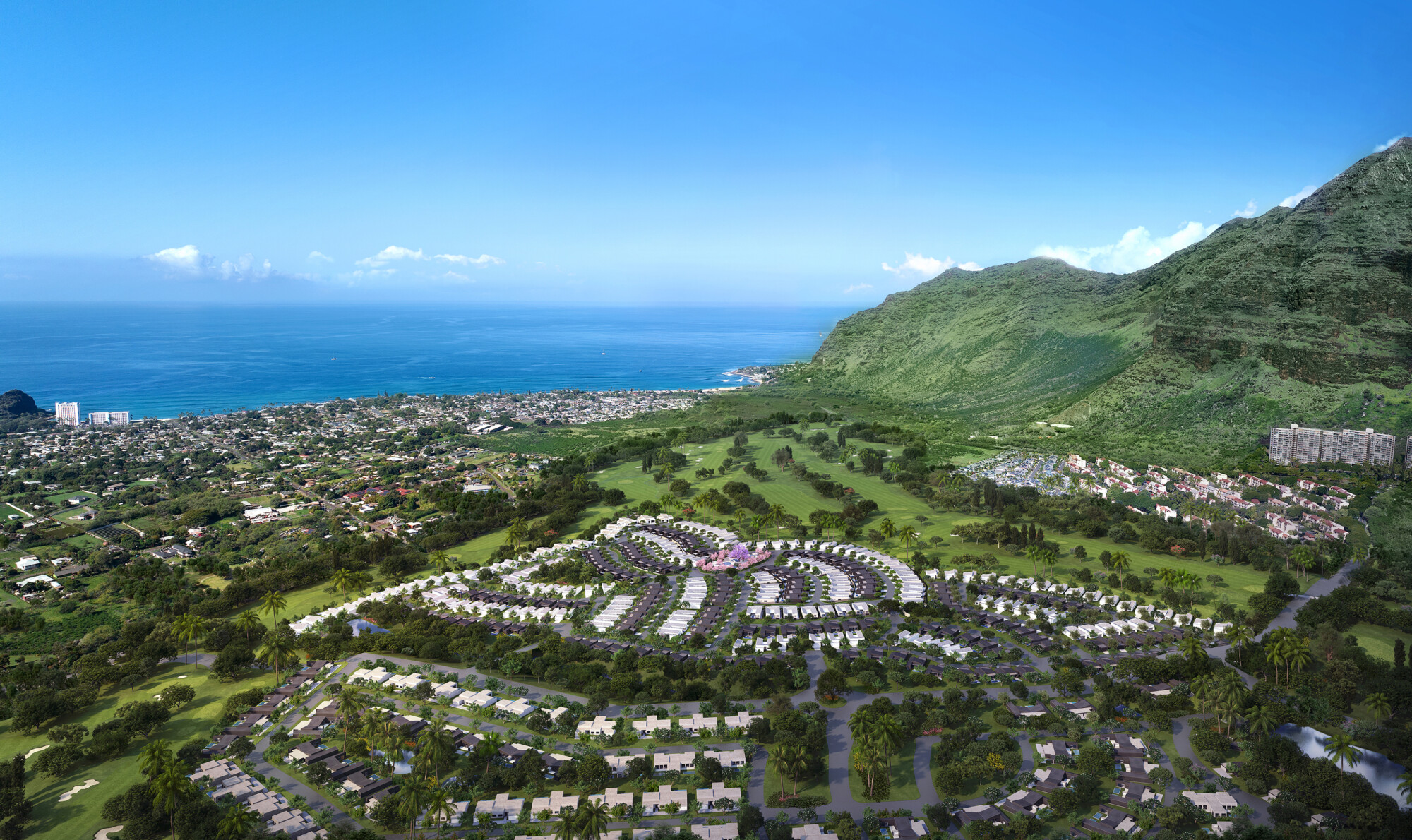
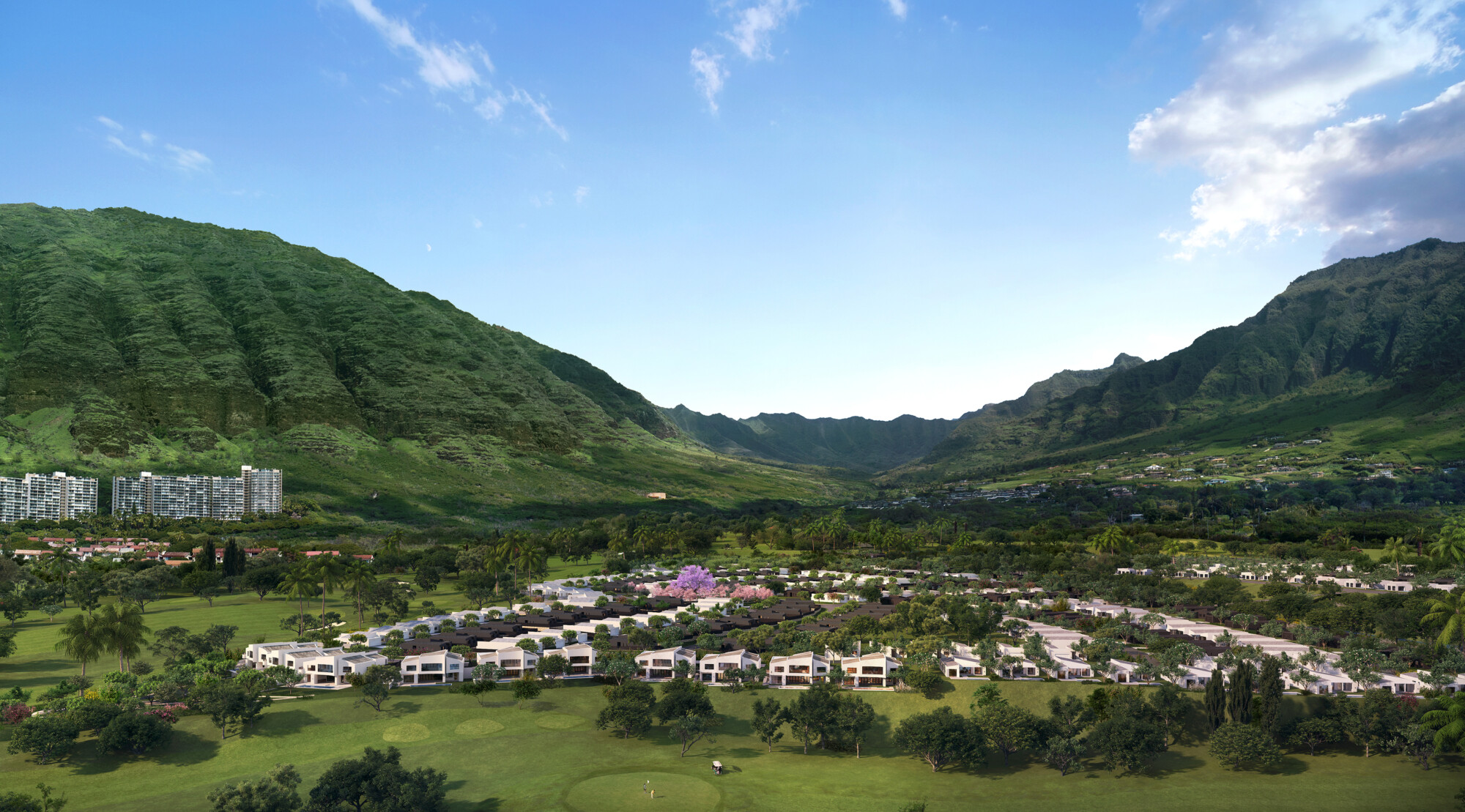
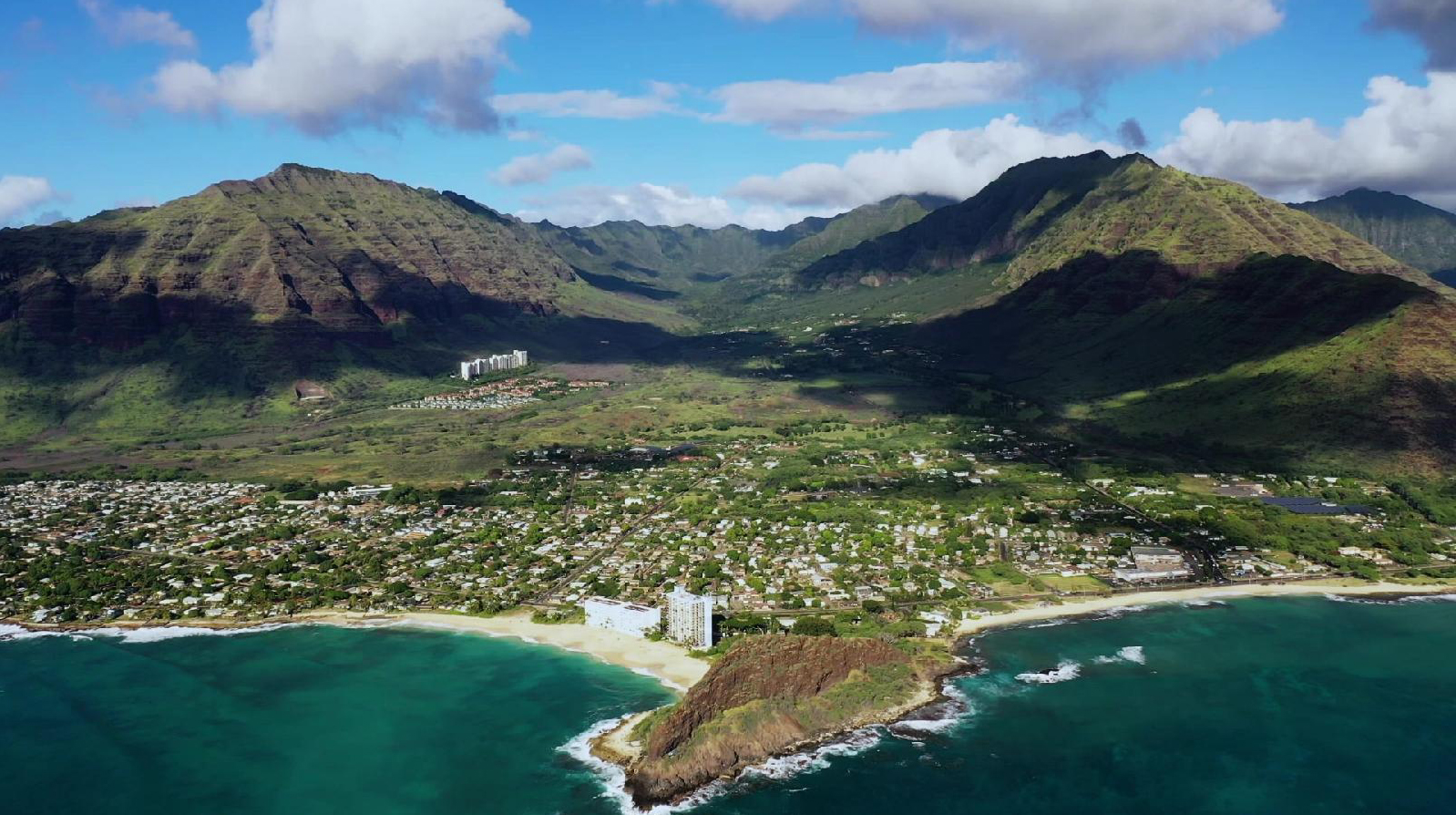
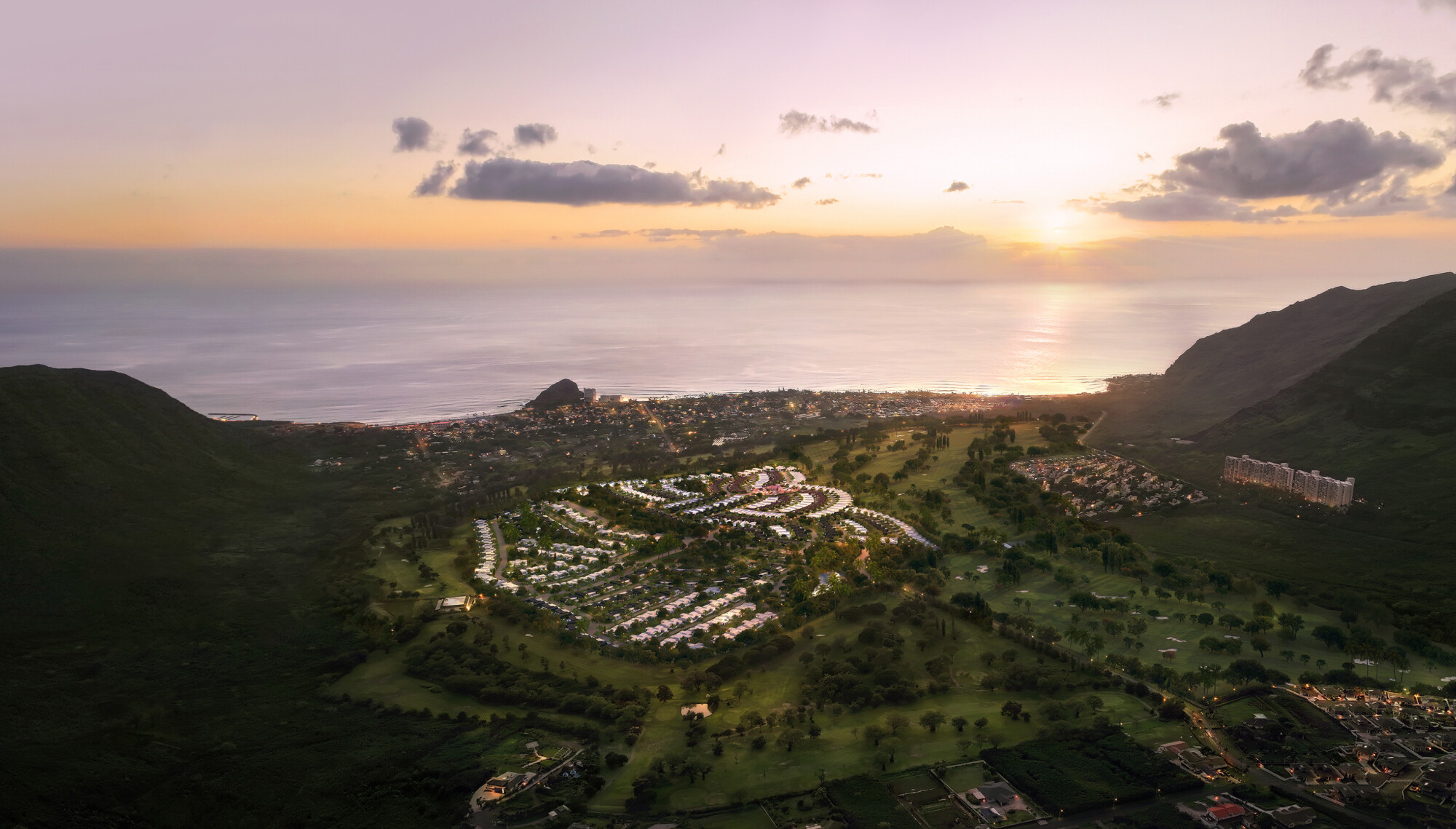
하와이 오아후 섬 서쪽에 위치한 마카하 밸리(Makaha Valley)는 오랫동안 하와이 원주민들에게 특별한 의미를 지닌 장소였다. 태평양을 향해 열려 있는 계곡과 완만한 구릉, 그리고 바다와 산이 이어지는 풍경은 하와이에서도 손꼽히는 자연환경을 만들어낸다. 프로젝트 대지는 과거 쉐라톤 리조트가 자리했던 부지다. 오랜 시간 지역을 대표하는 휴양지였던 장소를 새로운 주거 단지로 전환하는 작업이었다. 설계를 시작하며 가장 먼저 고민한 것은 무엇을 새롭게 만들 것인가가 아니라, 원래 이 장소가 가지고 있던 가치를 어떻게 이어갈 것인가였다.
그 과정에서 주목한 것은 ‘단층 주거’였다. 세계 여러 리조트를 답사하면서 흥미로운 사실을 발견했다. 오랫동안 사랑받는 리조트일수록 의외로 단층 건축이 많다는 점이었다. 사람들은 높은 곳에서 내려다보는 전망보다 자연과 같은 높이에서 마주하는 경험에 더 큰 편안함을 느끼기도 한다. 그래서 이 프로젝트의 기본 원칙은 단층 주택 단지로 정했다. 하와이에서는 익숙한 유형이지만, 최근의 대규모 개발에서는 오히려 찾아보기 어려운 방식이다. 결과적으로 이 선택이 프로젝트를 차별화하는 가장 중요한 출발점이 되었다.
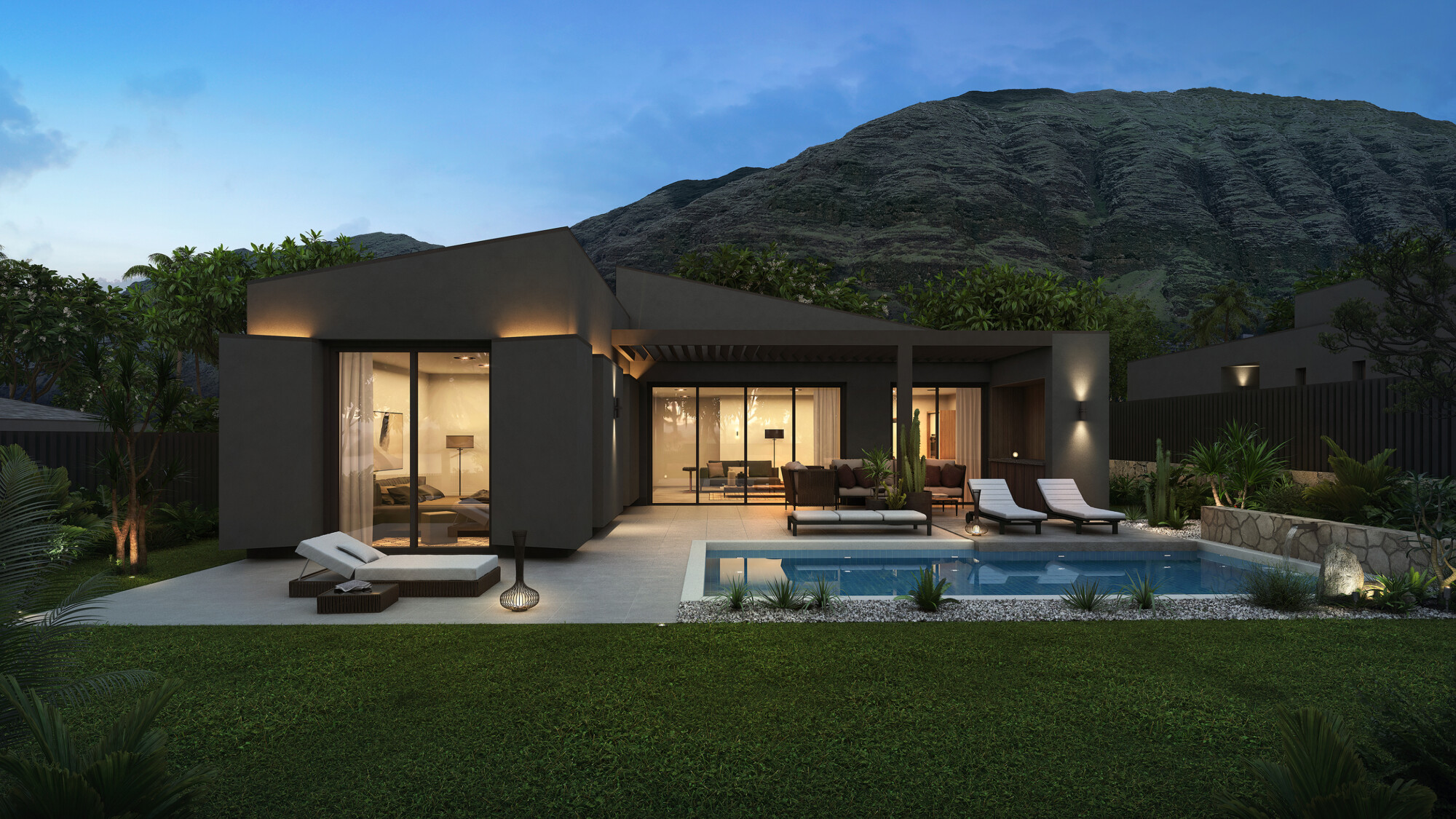
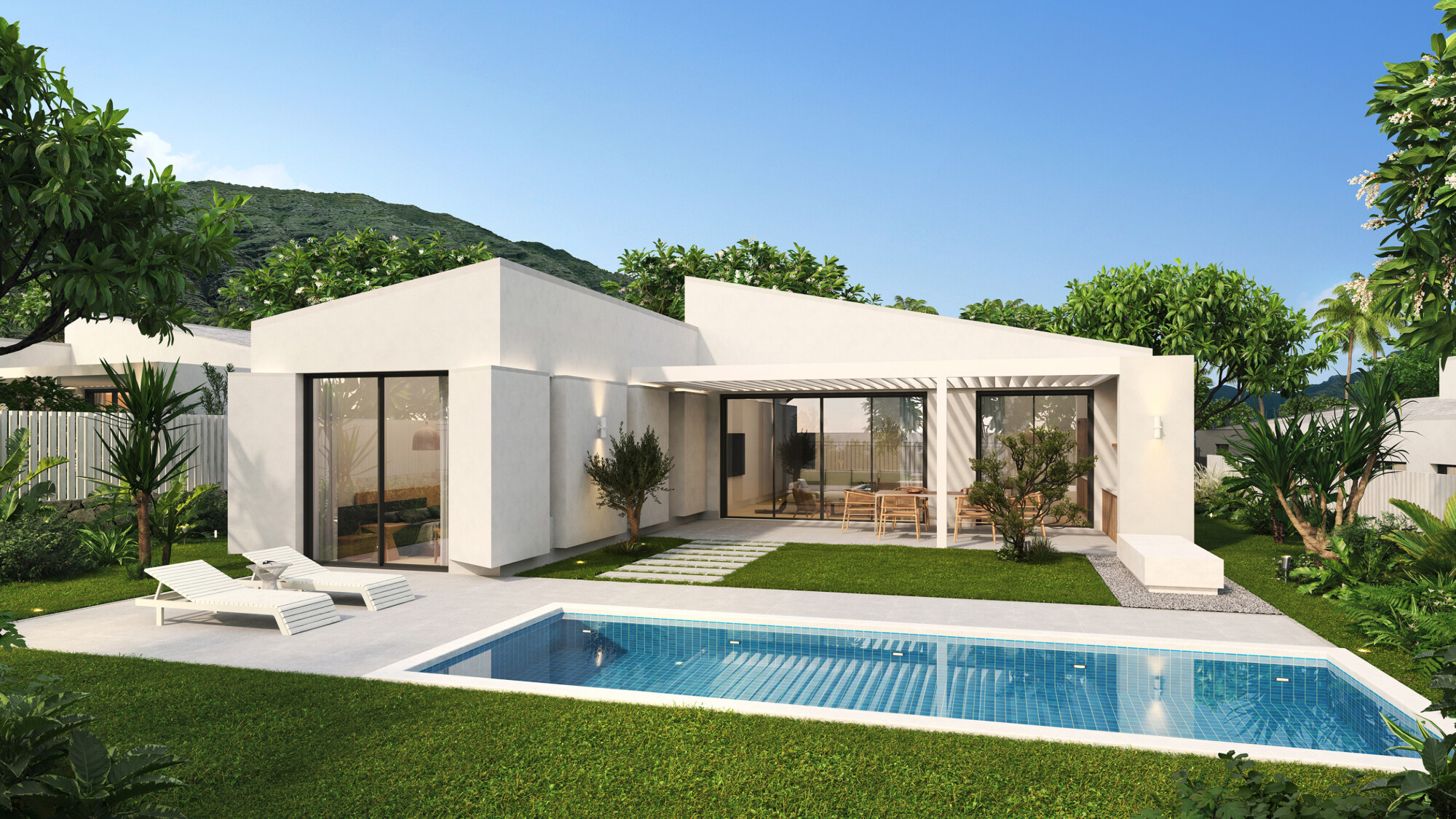
설계의 중심에는 언제나 자연이 있었다. 건축은 자연과 경쟁하는 대상이 아니라, 자연을 더욱 깊이 경험하게 하는 장치여야 한다고 생각했다. 건물의 배치와 개구부의 방향, 실내외 공간의 연결은 모두 마카하 밸리의 풍경을 자연스럽게 담아내기 위해 계획되었다. 건축 형태 역시 절제된 단층 구조를 중심으로 구성했다. 낮고 길게 펼쳐지는 수평적 매스는 주변 지형과 조화를 이루며 건축이 풍경 속에 자연스럽게 스며들도록 한다.
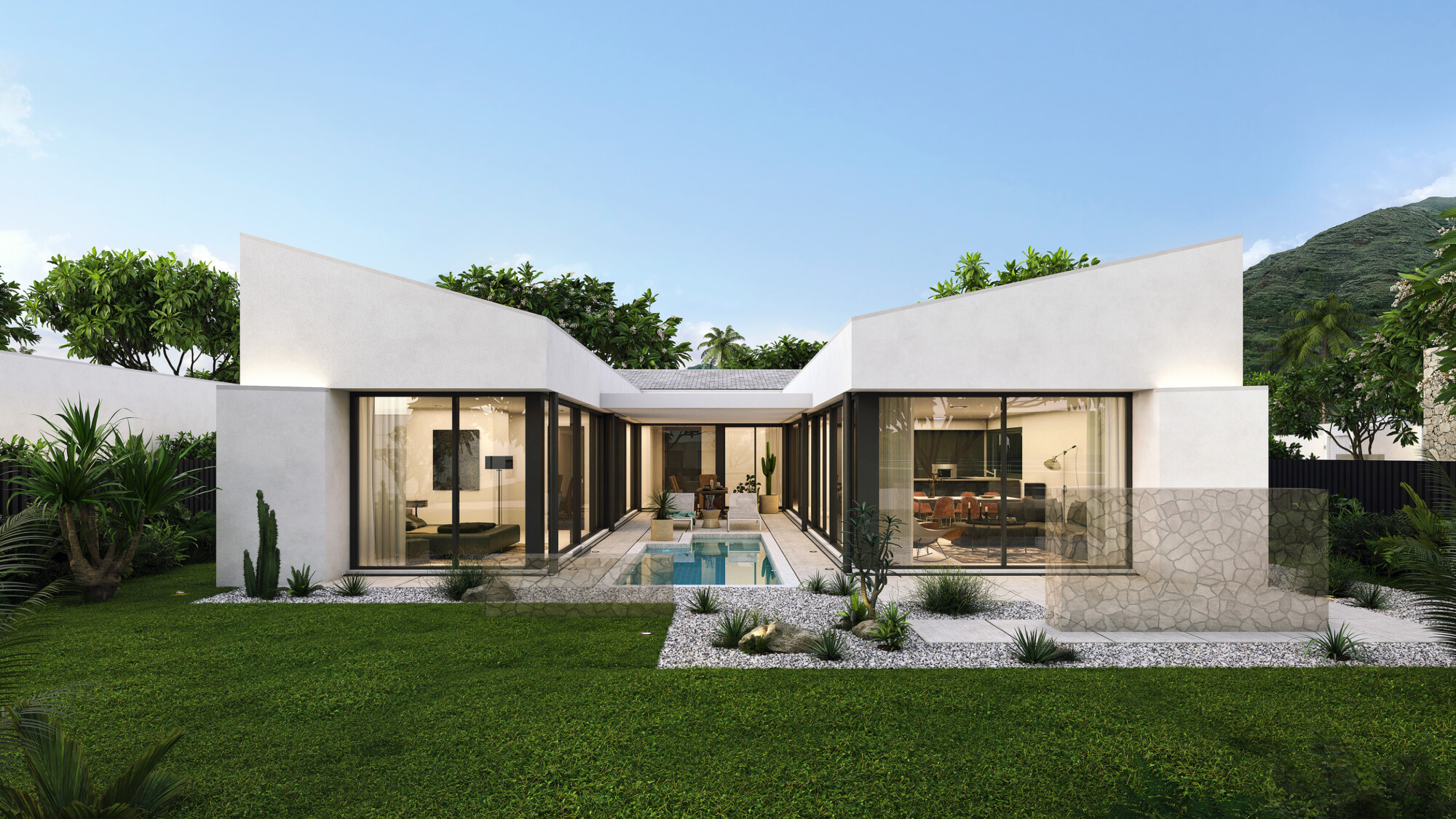
주거 공간은 자연과의 관계를 가장 중요한 가치로 삼았다. 거실과 다이닝 공간은 계곡과 바다를 향해 열어두었고, 중정을 중심으로 한 공간 구성은 채광과 환기를 확보하는 동시에 프라이버시를 보호한다. 깊은 처마와 유연한 실내외 공간은 하와이의 기후와 생활 방식에 자연스럽게 대응하도록 계획했다.
마카하 밸리 프로젝트는 새로운 형태를 제안하는 건축이라기보다, 자연 속에서 어떻게 살아갈 것인가에 대한 질문에서 출발한 프로젝트에 가깝다. 그리고 그 질문의 답은 의외로 단순했다. 건축은 자연보다 앞에 서기보다, 자연 곁에 머물 때 더 아름다울 수 있다는 것이다.
Nestled on the western edge of Oahu, Makaha Valley has long held profound spiritual significance for the Native Hawaiian people. The valley opens generously toward the Pacific Ocean, carved with gentle slopes where the mountains seamlessly merge into the sea, creating one of the most breathtaking natural topographies in Hawaii. The site of this project was once occupied by the historic Sheraton Resort. Our task was to transform this legendary retreat, which served as a landmark of regional hospitality for decades, into a new residential enclave. As the design commenced, the primary inquiry was not centered on what to fabricate anew, but rather on how to sustain and inherit the intrinsic values this ground already possessed.
In that pursuit, our focus converged on the concept of 'single-story dwelling.' Through extensive surveys of notable resorts worldwide, we discovered an intriguing pattern: the most enduringly beloved sanctuaries often favor single-story architecture. Humans frequently derive a deeper sense of peace from engaging with nature at eye level, rather than gazing down upon it from a soaring vantage point. Guided by this insight, we established a single-story residential layout as the core principle of the master plan. While this typology is deeply rooted in Hawaiian tradition, it has become exceedingly rare in contemporary large-scale developments. Ultimately, this deliberate architectural restraint became the definitive departure point that sets the project apart.
At the heart of the design was an unwavering reverence for nature. We believed architecture should never compete with its surroundings, but instead serve as a quiet instrument that deepens one's experience of them. The orientation of the structures, the placement of openings, and the seamless transition between indoor and outdoor realms were all meticulously calibrated to organically capture the changing moods of Makaha Valley. The physical form speaks the language of understated elegance. Spreading low and wide, the horizontal mass harmonizes with the surrounding contours, allowing the architecture to dissolve softly into the landscape.
The residential spaces prioritize their relationship with the environment above all else. Living and dining areas open expansively toward the valley and the ocean, while the courtyard-centric configuration invites abundant natural light and ventilation while preserving absolute privacy. Furthermore, deep eaves and versatile indoor-outdoor transitions were thoughtfully integrated to respond naturally to Hawaii's unique climate and lifestyle.
The Makaha Valley project is less about introducing a novel structural form and more about answering a fundamental question of how to exist gracefully within nature. Ultimately, the answer we arrived at was remarkably simple: architecture becomes most beautiful not when it stands ahead of nature, but when it rests quietly by its side.